There’s a moment in riding — whether in a collected canter or just a quiet halt — where everything feels still, balanced, and aligned.
Your shoulders are relaxed.
Your spine feels long.
You’re not holding yourself up — you’re simply held.
This sense of effortless posture isn’t just about sitting taller.
It’s about strength — the kind that lives deep in your back, core, and shoulders.
And the truth is, if you want to feel truly stable in the saddle…
you have to build the muscles that hold you there.
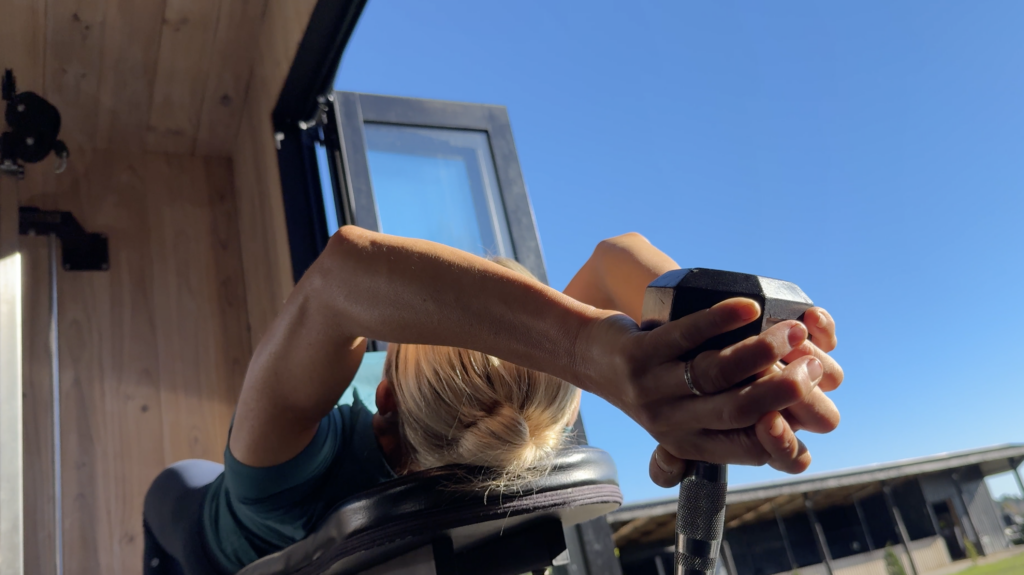
Riding Posture
We’ve all heard the cues:
“Shoulders back.”
“Lift through your core.”
“Don’t collapse.”
But good posture isn’t about holding tension — it’s about having the muscular support to stay upright without strain.
That means building:
A strong upper back
Stable shoulder girdles
Deep core endurance
And the ability to breathe and move while staying aligned
When these muscles are strong and active, posture becomes a product of internal support, not external effort.
Your Spine as a Tent Pole
Imagine your spine is the central pole of a tent.
Without tensioned guy ropes to hold it upright, it collapses or sways with the wind.
Your muscles — especially the postural muscles of your back and core — are those guy ropes.
When they're strong, responsive, and evenly balanced, your spine stays supported through every stride, transition, or spook.
That’s what keeps you sitting tall, supple, and still — even when your horse isn’t.
Muscles That Matter
Let’s break down the key players and why we train them in our Upper Body + Posture strength days:
1. Mid and Upper Back
These muscles retract and stabilise your shoulder blades — essential for an open chest and quiet, steady hands.
2. Posterior Shoulder
Supports rein control, helps reduce neck/shoulder tension, and gives you that “lifted” feeling without shrugging.
3. Deep Core
These muscles stabilise your spine and pelvis, preventing collapse or over-arching.
4. Lats and Serratus
Help connect your core to your shoulders, giving you dynamic control through turns, lateral work, and rein pressure.
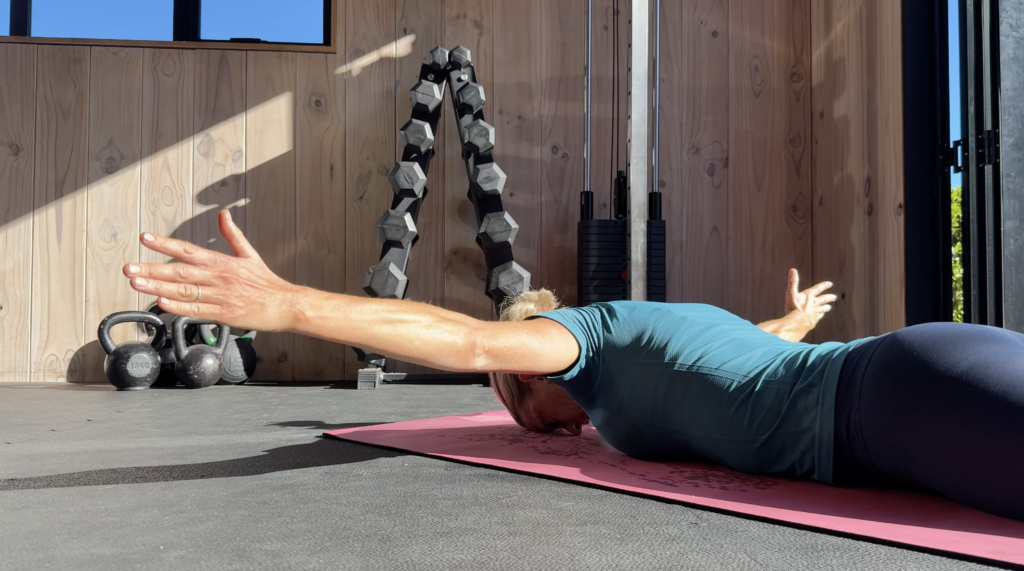
What This Feels Like in the Saddle
When you build muscle to support your posture, you’ll start noticing:
✔️ Less neck and lower back fatigue
✔️ Easier rein contact — with fewer cues to “lift” your chest
✔️ A more still, stable upper body — even in sitting trot or lateral work
✔️ A sense of lightness and openness in your chest without effort
✔️ And improved breathing — because your ribcage has space to move!
Strength doesn’t make you bulky or stiff. It makes you supported, stable, and able to move with grace — not just hold yourself together.
Want to Build That Postural Strength?
Inside the DRT Strength Series, our Upper Body + Posture days are designed specifically for riders like you.
You’ll work through:
Functional upper body strength
Postural endurance
Mobility through the spine and shoulders
Core engagement to support your seat and alignment
Workouts are short (30–40 minutes), require minimal equipment, and are built to complement your riding — not compete with it.
Click here to explore theDRT Strength Roadmapand try our Upper Body + Posture training days
Let’s build strength that feels like freedom in the saddle.