When we think about riding posture, it’s easy to focus on our core or upper body — shoulders back, sit tall, engage your abdominals…
But there’s a powerhouse working quietly behind the scenes that often gets overlooked:
Your glutes.
These muscles form the foundation of your seat.
They influence how you absorb movement, how stable you feel in the saddle, and how well your pelvis stays aligned with your horse’s motion.
In short?
If your glutes aren’t doing their job, the rest of your position suffers.
Let’s take a look at why these muscles matter so much — and how to train them effectively for better riding.
What Are Your Glutes, Really?
Your glutes are made up of three main muscles:
Gluteus maximus – the largest, responsible for hip extension and power
Gluteus medius – critical for lateral stability, pelvic control, and balance
Gluteus minimus – assists with stabilisation and hip rotation
Together, they help you:
Absorb impact through sitting trot and transitions
Maintain a stable pelvis and seat connection
Drive forward with quiet leg aids (not gripping)
Stay balanced left to right
And relieve pressure on the lower back and hip flexors
The Problem? Most Riders Have “Sleeping” Glutes
Modern life doesn’t do your glutes any favours.
We sit — a lot. At desks, in cars, and even on our horses. Me included!
This leads to glute amnesia, a condition where the glutes stop activating properly. Your body compensates by overusing the hip flexors, quads, or lower back — and your seat loses its shock absorption and stability.
You may feel:
Sore lower back after riding
Unbalanced in transitions or lateral work
Feel like you have to lean back to stay with your horse
Or maybe tipping foward and struggling to stay balanced
One leg stronger or more connected than the other
Or like your seat is bouncing, rather than moving with the horse
If this sounds familiar — you don’t need to ride harder.
You need to strengthen your glutes.
Why Squats Alone Aren’t Enough
Squats are great — but they’re not the whole story.
To really train your seat, you need to:
Target all three glute muscles, especially the glute medius
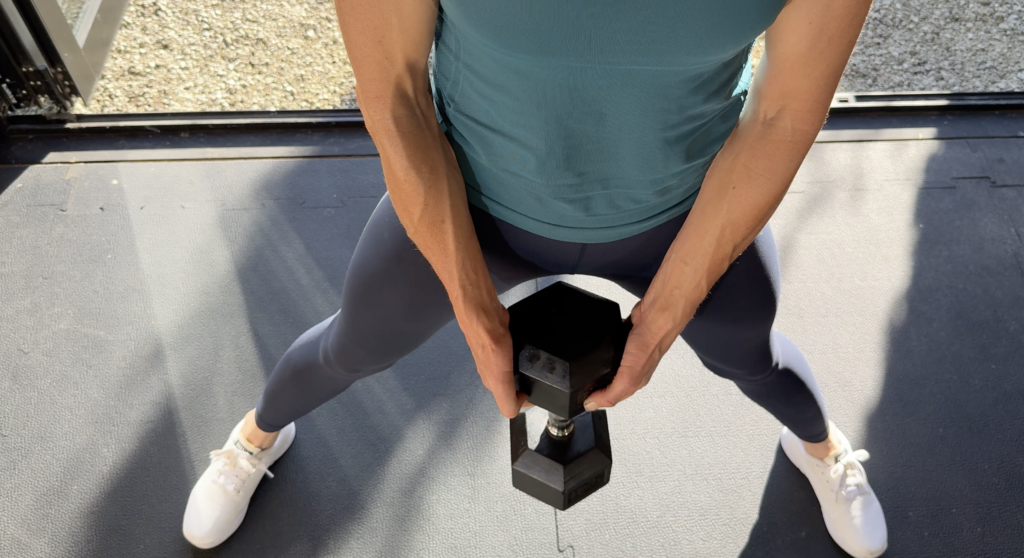
Include single-leg movements to address asymmetry
Focus on slow, controlled engagement, not just reps
Include activation work to reawaken sleepy muscles
And most importantly — you need to do it consistently.
What Strong Glutes Feel Like in the Saddle
When your glutes are firing well, you’ll notice:
A quieter, deeper seat
More control in transitions
Better balance in your pelvis
Less lower back tightness
And more effectiveness in your aids — without gripping
It’s not just about strength — it’s about connection and control.
Glute training teaches your brain and body how to hold your seat with stability, not tension.
How We Train Glutes Inside the DRT Strength Roadmap
In our Glutes + Core training days, we’ve designed rider-specific strength sessions that:
Target the glute max and medius
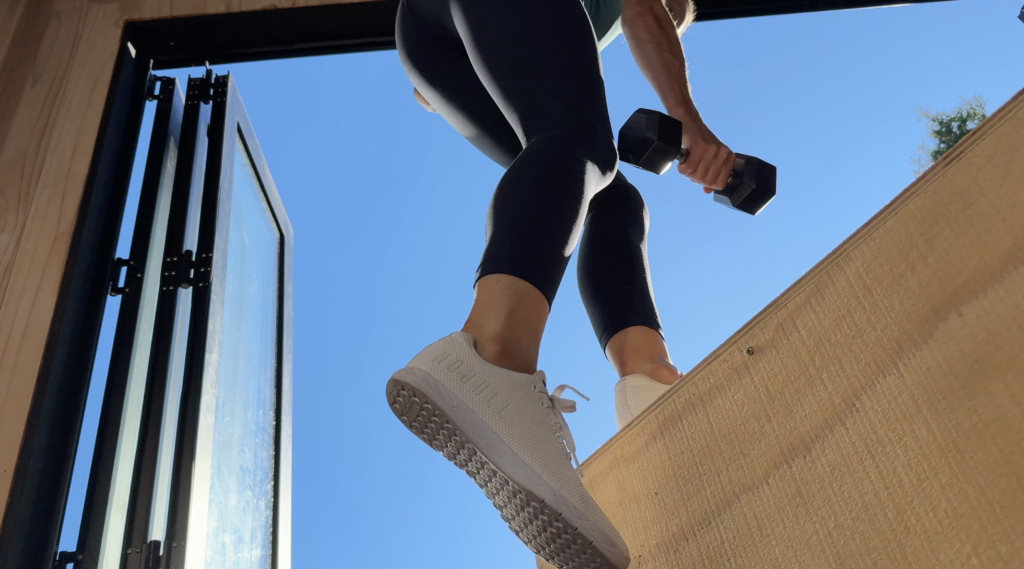
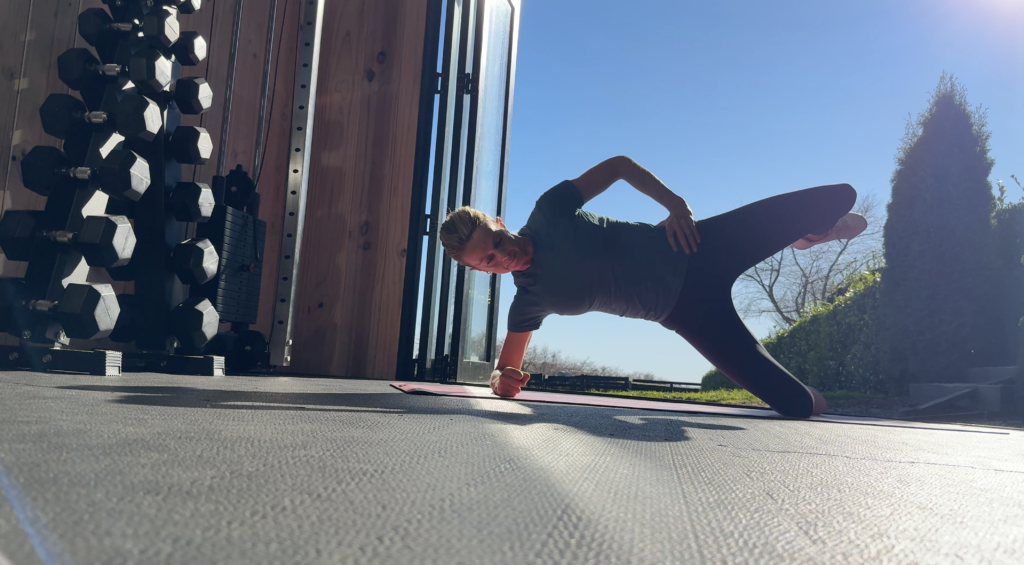
Include unilateral work (think step-ups, single-leg bridges, clamshells)
Focus on control and positioning — not just load
Use minimal equipment like dumbbells, bands, and bodyweight
Complement your riding, rather than exhaust you for it
You’ll build a seat that supports you through collection, turns, lengthenings, and more — one that doesn’t rely on gripping, but on grounded strength.
Want to Build a Stronger Seat?
The DRT Strength Roadmap includes progressive programs for riders who want to:
Improve riding posture and balance
Strengthen their glutes for better seat control
Build sustainable strength — without burning out
Click here to explore the Strength Roadmapand start with our Glutes + Core focused training days
It’s not just about looking stronger — it’s about riding with more connection, stability, and confidence.
Your seat isn’t just where you sit — it’s where your power begins.
Let’s train it that way.