Why Riders Often Feel Tight — and What’s Really Happening
One of the things riders rarely realise is this:
Your hips are constantly listening to your nervous system.
When your body feels balanced and supported, your hips move freely.
Your seat follows the horse.
Your legs soften and drape naturally around the saddle.
But when your body feels uncertain — even slightly — your hips respond.
They narrow.
They grip.
They try to stabilise you.
Not because you’re doing something wrong.
Because your body is intelligent.
Understanding this changes the way we approach hip tension in riding.
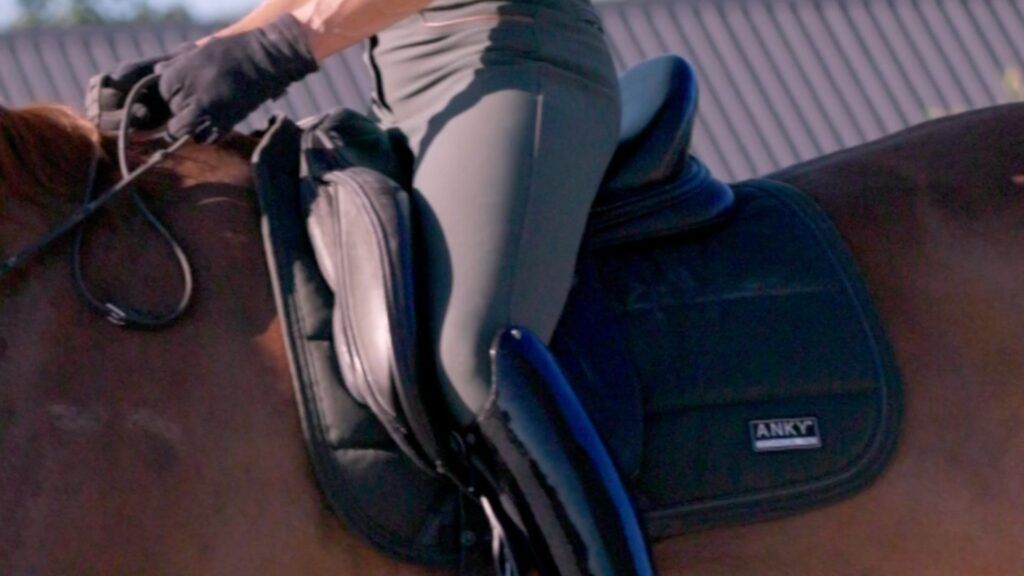
Why Your Body Protects You
Your nervous system has one primary job: keep you safe and upright.
Riding places you in a dynamic environment where balance is constantly shifting. Every stride your horse takes moves your centre of gravity.
To stay organised over the saddle, your body is constantly making tiny adjustments.
When the system feels stable, those adjustments happen quietly and smoothly.
But when the body senses instability — during a transition, a bigger stride, or a moment of tension — it looks for ways to protect you.
One of the first places this shows up is in the hips.
The hips narrow.
The thighs engage.
The pelvis braces.
This creates stability quickly, but it also reduces freedom of movement.
Why Riders Think Their Hips Are Tight
Because this protective response happens so often, many riders believe they simply have “tight hips.”
But what they are actually experiencing is a protective strategy.
The hips are stepping in to help stabilise the body.
This is why you need to combine length with strength.
You might improve flexibility, but if the body still feels unsupported, it will return to the same gripping patterns as soon as the ride becomes more demanding.
Balance Comes Before Relaxation
Riders are often told to “relax the hips” or “soften the legs.”
But relaxation is not something we can force.
Relaxation happens when the body feels supported enough to allow it.
When the pelvis is organised and the centre of the body is working well, the hips no longer need to protect you.
They can simply follow the movement of the horse.
This is where real suppleness appears.
Not as something we force — but as something the body allows.
Suppleness Creates Freedom
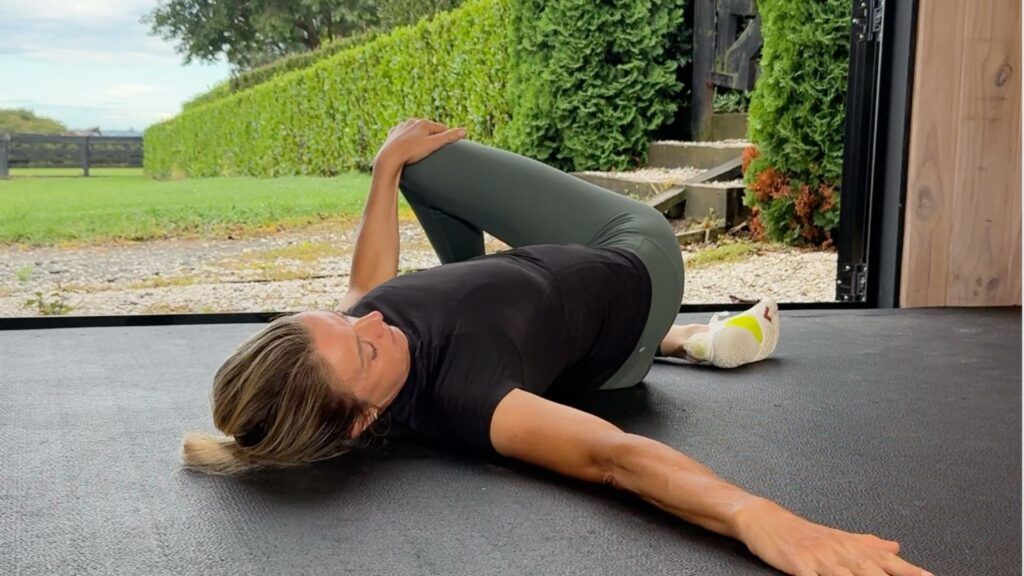
Improving hip suppleness is often the first step.
Releasing tight hip flexors, adductors, and deep rotators creates the space the pelvis needs to move.
When this happens, riders often feel immediate changes in the saddle:
The seat deepens.
The legs drape more easily.
The hips begin to follow the rhythm of the horse.
Suppleness gives the body access to better movement.
But it is only part of the picture.
Strength Creates Trust
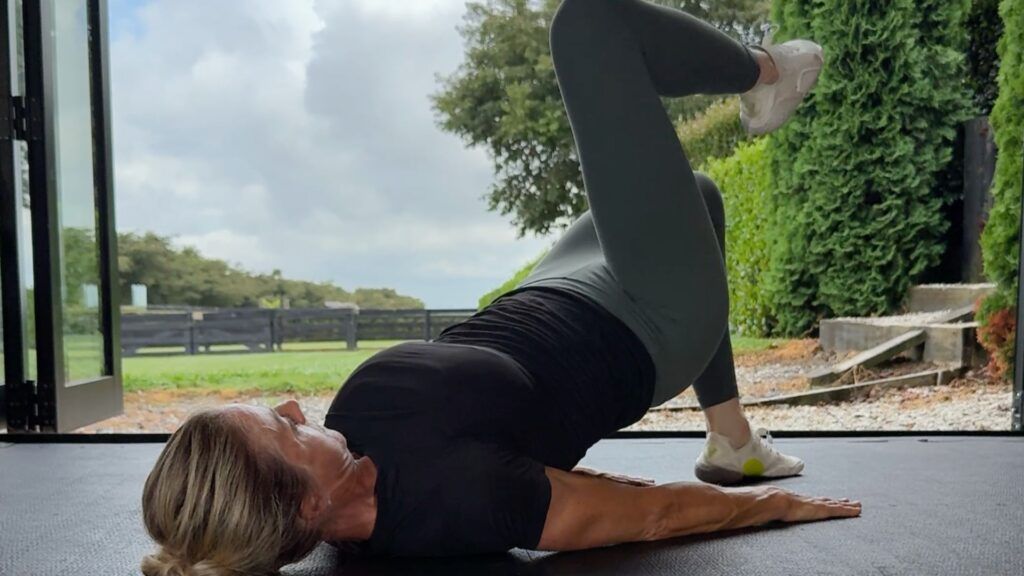
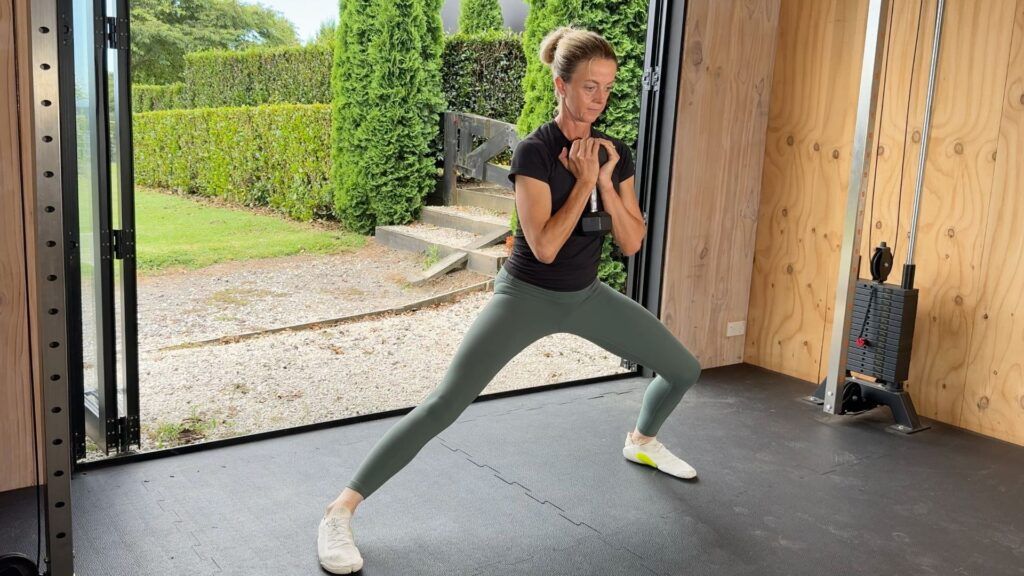
Once that freedom exists, the body needs strength to support it.
Without strength around the hips and pelvis, the body may still feel vulnerable when the ride becomes more challenging.
The horse adds power.
Transitions ask more of the rider.
Fatigue begins to appear.
If the centre of the body cannot stabilise these forces, the hips will return to their protective pattern.
Strength is what teaches the body it can stay open under load.
It creates the support that allows suppleness to remain available throughout the ride.
When the System Works Together
When suppleness and strength develop together, something powerful happens.
The pelvis becomes more organised over the saddle.
The hips move freely without gripping.
The legs soften because they no longer need to stabilise the rider.
Balance begins to feel easier.
And the horse feels the difference immediately.
Listening to Your Body
If your hips feel tight during a ride, it’s worth asking a different question.
Instead of asking:
“How do I loosen my hips?”
Try asking:
“Does my body feel supported right now?”
Because very often, when balance improves and the centre of the body becomes more stable…
the hips soften on their own.
Your body is always communicating with you.
The more you learn to listen, the more your riding begins to change.
If improving hip freedom is something you’re working on, beginning with consistent hip suppleness work can make a huge difference to how your seat feels in the saddle.
From there, building strength around the hips and pelvis helps that freedom become reliable — ride after ride.
If you want more help with hip suppleness, we have created a 21-day program for riders. When you join you not only gain access to this, but all our strength programs too.
Here is a snippet from the program. You can find all the information about it here.