Hit 40 and feel like things are changing?
Here’s how to support your body, protect your seat, and keep progressing in the saddle — without burning out.
Perimenopause is a phase every woman eventually moves through — and for many riders, it begins sometime in their 40s, often before they even realise it.
You might still be riding regularly, managing your property, juggling a thousand tasks — and yet something feels different.
Less energy.
More stiffness.
Longer recovery.
Less strength or confidence in the saddle — even though you're doing “all the things.”
Sound familiar? You’re not alone.
But here’s the good news:
This transition doesn’t mean slowing down. In fact, with the right approach to training, nutrition, and recovery — you can continue to ride stronger than ever.
What Perimenopause Means for Riders
Perimenopause is the transitional phase leading up to menopause, when estrogen and progesterone begin to fluctuate. It can start in your late 30s or 40s and last for several years.
During this time, many women experience:
Irregular cycles
Hot flashes or night sweats
Fatigue and disrupted sleep
Increased stiffness or joint discomfort
Muscle loss or reduced strength
Slower recovery and fluctuating energy
Shifts in mood, confidence, and motivation
For riders, that often translates to feeling:
Less stable or connected in the saddle
More fatigued after rides
Less confident in transitions or sudden movements
Like you’ve lost strength or body awareness
More prone to overdoing it — or burning out completely
It's alot!
I get it, but with a few key changes, you can stay strong, energized, and confident — both on the ground and in the arena.
Let’s break it down.
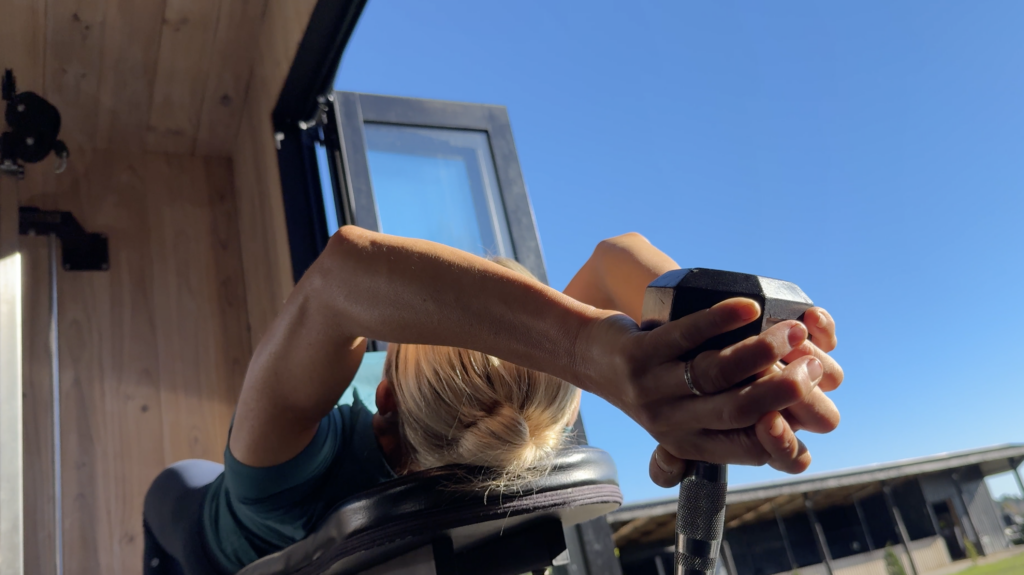
1. Build and Maintain Muscle
The single most important thing you can do during perimenopause?
Start — or continue — strength training.
As estrogen begins to fluctuate and decline, one of its most noticeable effects is a loss in muscle mass, strength, and bone density.
This isn’t just about aesthetics — it impacts how you ride, how you recover, how much energy you have and how resilient your body feels overall.
Muscle isn't just for power — it’s a protective tissue that stabilises your joints, supports your spine, balances your posture, and helps you absorb the movement of the horse through your seat.
When you lose muscle, you don't just feel weaker — you may also feel less stable, less coordinated, and more prone to injury or fatigue.
For riders, that can mean:
Losing the deep, quiet seat you once had
Feeling like your posture collapses over time
Struggling with transitions or sitting trot
Not recovering as quickly after rides or stable work
A general sense of “wobbliness” or lack of control
The only proven way to prevent or reverse this muscle loss?
Progressive strength training.
That’s why the DRT Strength Roadmap is designed specifically for riders over 40 — with programs that honour where your body’s at, and help you safely rebuild strength, confidence, and energy. That also helps your riding!
You’ll learn how to:
Rebuild and preserve lean muscle mass (which naturally declines in midlife)
Strengthen the glutes, hamstrings, upper back, and core — the foundation of a strong, connected seat
Improve pelvic control, posture, and spinal stability
Support your metabolism, insulin sensitivity, and hormonal health
Reduce risk of falls, injuries, and bone loss through resistance-based training
And best of all — it doesn’t require hours at the gym.
Just 2–3 well-designed sessions a week to completely transform how you feel — both on and off the horse.
Because strength isn’t just about lifting weights — it’s about lifting yourself back into balance and power.
Explore the DRT Strength Roadmap and choose your starting point
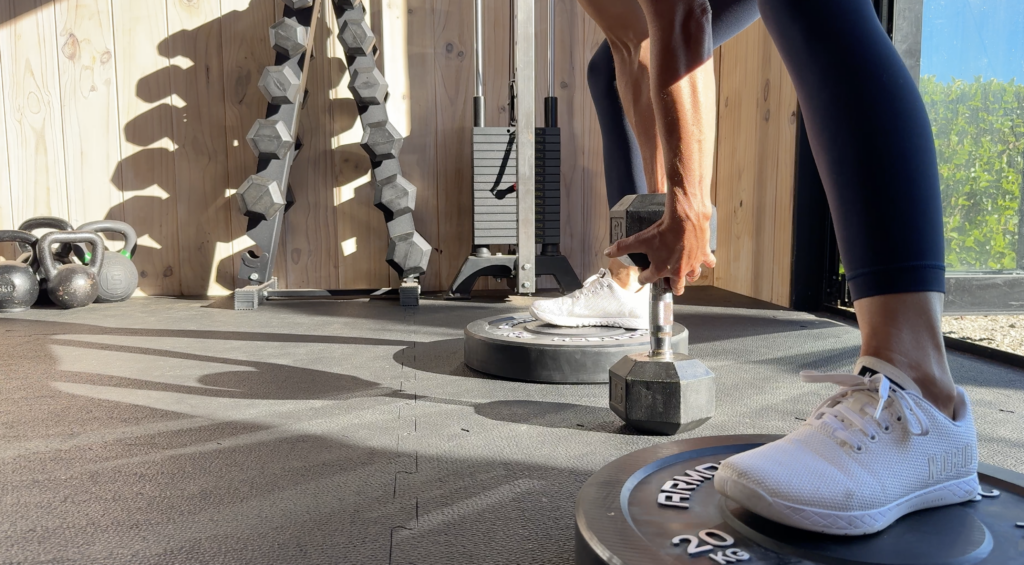
2. Stay Supple Daily
As hormone levels shift, you might notice increased tightness or stiffness — especially through your hips, hamstrings, and spine.
Don’t ignore it.
Daily mobility is one of the simplest and most effective ways to feel better and move better.
Just 10–15 minutes of focused movement before bed can:
Improve joint range of motion
Reduce aches and pains
Support better posture and recovery
Help calm the nervous system for sleep
Mobility isn’t optional anymore — it’s your daily maintenance. Make it a non-negotiable part of your evening routine.
It's why I created thehip suppleness program, my own journey through this exact transition.
3. Move Often
Even with horses in your life, it’s easy to assume you're active — without realizing how much time you spend sitting (in the saddle, in the car, or behind a screen).
Track your steps for a week and see where you're at.
Aim for 7,000–10,000 steps per day as a baseline
If you’re below that, build up gradually — every 1,000 counts
Walking supports hormone regulation, reduces cortisol, and improves blood sugar control
This daily foundation makes every other training effort more effective — especially strength and intervals.
4. Use Short Intervals
Lengthy cardio sessions can sometimes backfire during perimenopause — adding more stress to an already taxed system.
Instead, focus on Sprint Interval Training (SIT) — short bursts of high effort followed by full recovery.
We use this style of conditioning inside our DRT Squad program, with options that are:
Low-impact
Quick (10–20 minutes)
Supportive of hormonal health
Scalable to your fitness and energy level
But don’t jump straight into sprints if your movement base isn’t there.
Build up your daily steps first, then integrate 1 SIT sessions per week when your body is ready. Yes just one! Do it right, do it well and balance with recovery.
5. Prioritise Protein
During perimenopause, your body becomes less efficient at building muscle — and more prone to blood sugar fluctuations.
The solution?
30–40g of protein per meal, especially breakfast
Prioritize whole food sources: eggs, meat, fish, greek yogurt, cottage cheese
Pair carbs with protein and fat to stabilize energy
Avoid skipping meals — consistency matters more than perfection
This isn’t about dieting. It’s about fuelling your body so you can recover, ride, and feel like yourself again.
We provide nutrition advice and give you all the tools to help you with this side of things too. Learn all about macros and how to find out the right daily energy requirements for yourself individually.
It's all included in the strength roadmap.
Because I want to help you thrive!
6. Respect Recovery and Sleep
This season of life demands more recovery — not less.
Your joints, nervous system, and muscles all take longer to repair.
So prioritise:
7–9 hours of sleep
A consistent sleep routine (wind down, lights out, no big meals before bed, aim for your last meal to be 3 hours before bed. First meal within 30 minutes of waking.)
Rest days between intense training sessions
Gentle movement on off days (like walking or stretching)
The harder you train — the more you need to recover. That’s what makes you stronger.
7. A New Season, Not a Setback
Perimenopause doesn’t mean decline.
It’s a biological shift — one that calls for a smarter, more strategic approach to training, eating, and recovery.
And the incredible thing about dressage is…
You can keep getting better, no matter your age and with experience comes wisdom.
With the right support, you can:
Improve your posture and seat
Gain strength and power in the saddle
Feel more connected to your body
Keep riding (and loving it) well into your 50s, 60s, and beyond! We have members who are living proof of just this riding into their 80's!
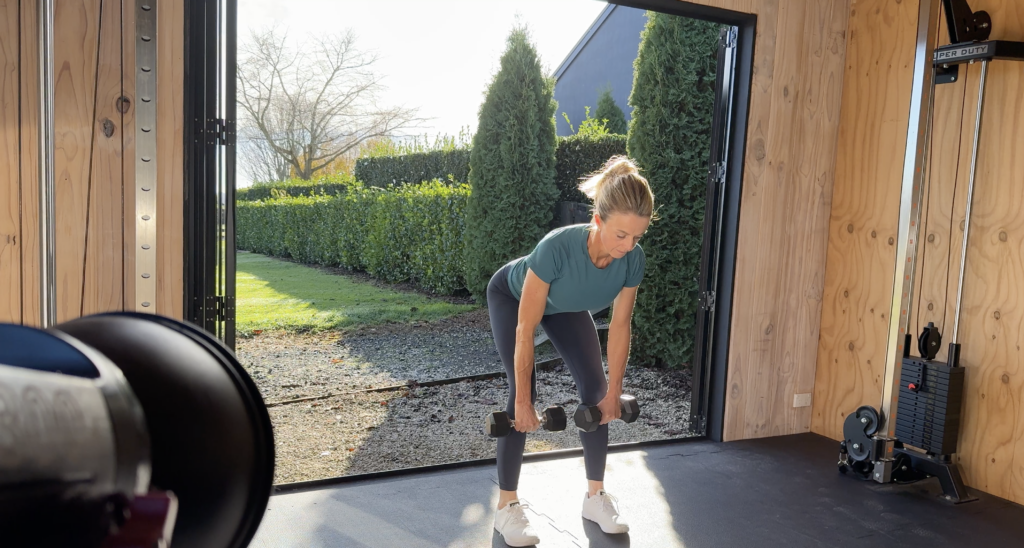
Start with the Strength Roadmap
OurDRT Strength Roadmapwas designed for riders exactly like you — those navigating perimenopause, juggling real life, and still committed to riding at their best.
It includes:
Intro to Lifting– for complete beginners
Foundations– total-body strength for riders over 40
Momentum– short, rider-friendly workouts to stay consistent
Squad Series– long-term progressive blocks that evolve with you
Each phase is structured, sustainable, and designed to support your posture, glutes, core, and long-term riding performance.
Learn more here -Strength Roadmap
Explore the full DRT Strength Roadmap here and choose your starting point
Getting Stronger Differently
Perimenopause is not a flaw to fix — it’s a phase to support.
By training smarter, fuelling better, and recovering fully, you’ll come out the other side with a stronger body, a clearer mind, and an even deeper seat.
Let’s ride this wave — together.
Want to read some more?
Dressage Riding Through Menopause: How to Stay Strong and Ride with Confidence
How to Get Started with Strength Training (Even If You're a Total Beginner)
Why Strength Training Is the Missing Piece for Dressage Riders Over 40